Is this film public domain? A step-by-step checklist for the US, the EU and France
Key takeaways
- In the United States, every film published in 1930 or earlier is public domain as of 1 January 2026; films from 1931 to 1963 are public domain only if their copyright was not renewed.
- In the EU, a film is protected until 70 years after the death of the last survivor among the principal director, screenwriter, dialogue author and composer of music written for the film.
- The same film can be public domain in the US and protected in Europe: Charlie Chaplin's films stay protected in the EU until the end of 2047.
- A public-domain film does not make every version of it free: newer music, restorations, translations and colourised versions can carry their own rights.
- France adds perpetual moral rights and a 30-year extension for authors officially declared 'mort pour la France'.
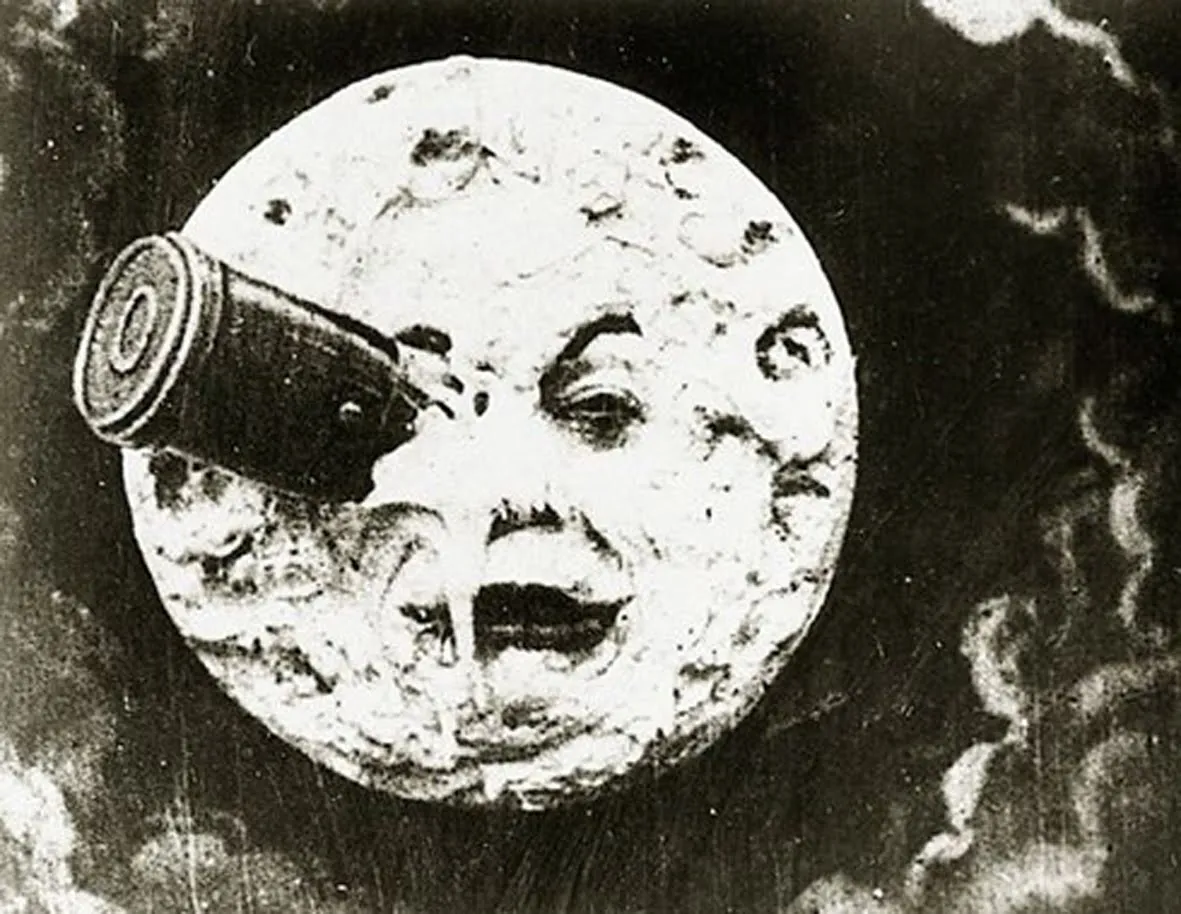

A film is public domain in the United States in 2026 if it was published in 1930 or earlier; in the European Union it is public domain 70 years after the death of the last of its main authors. These two rules give different answers for the same film more often than not, so the only safe question is “public domain where?”. This checklist walks through the test country by country, then the pitfalls that catch most reusers.
What is the quick answer for the US?
US terms for films depend on the publication date and on formalities (copyright notice and renewal). The Cornell University Library chart and Copyright Office Circular 15A summarise them:
| Published | Status in the US (2026) |
|---|---|
| 1930 or earlier | Public domain |
| 1931 to 1963, with notice, not renewed | Public domain |
| 1931 to 1963, with notice, renewed | Protected 95 years from publication |
| 1931 to 1977, without notice | Public domain (with exceptions for foreign works) |
| 1964 to 1977, with notice | Protected 95 years from publication |
| 1978 and later | Protected; term depends on authorship and date |
Each year on 1 January, another year of works enters the public domain. On 1 January 2026, films from 1930 such as All Quiet on the Western Front and Animal Crackers became free in the US, according to the Duke Center for the Study of the Public Domain. Films from 1931 follow on 1 January 2027.
US federal government films are a separate case: they were never protected. Our guide to the National Archives and Library of Congress shows where to find them.
How do I check a 1931 to 1963 US film?
For this window, renewal is everything. A film published with notice had to be renewed in its 28th year; if not, it fell into the public domain. To check:
- Find the original registration in the Catalog of Copyright Entries (CCE) for the publication year.
- Search the renewals in the CCE volumes for the 28th year after publication. Many CCE volumes are digitised on the Internet Archive.
- Check underlying works. A film based on a novel or play may be free while the novel is still protected, which can restrict reuse of the film.
- When in doubt, order a search from the US Copyright Office. Circular 22 explains how to investigate a work’s status.
Watch out for foreign films. Section 104A of the US Copyright Act restored copyright in many foreign works that had fallen into the US public domain for failing formalities. A non-renewed European film from 1950 is therefore not automatically free in the US.
How long is a film protected in the European Union?
Directive 2006/116/EC sets the term for films at 70 years after the death of the last survivor among four people:
- the principal director;
- the author of the screenplay;
- the author of the dialogue;
- the composer of music specifically created for the film.
The term runs from 1 January of the year after the death. So if the last of these four people died in 1955, the film became free in the EU on 1 January 2026.
| Example | Last relevant death | Free in the EU from |
|---|---|---|
| A Trip to the Moon (Méliès, 1902) | 1938 (Georges Méliès) | 1 January 2009 |
| Films by Charlie Chaplin | 1977 (Chaplin) | 1 January 2048 |
The directive also contains a “rule of the shorter term”: for works from non-EU countries whose authors are not EU nationals, the EU term does not exceed the term in the country of origin. Applying it to an American film requires care, so treat it as a question for a lawyer when money is involved.
What does France add?
France applies the EU rules through its Intellectual Property Code (CPI), with three specifics worth knowing:
- The same four co-authors determine the film’s term (article L123-2 CPI).
- Moral rights are perpetual (article L121-1): even for a public-domain film, you must respect the authors’ names and the integrity of the work. Credit the director; avoid edits that distort the work.
- A 30-year extension applies to authors officially declared “mort pour la France” (article L123-10). Check the authors’ biographies for wartime deaths.
Older wartime extensions also exist in French law; their effect on today’s terms is a specialist question.
What pitfalls catch most reusers?
The film may be free while the copy you hold is not. Check each layer:
| Layer | Risk | What to do |
|---|---|---|
| Music | A score or song can be separately protected; later soundtracks are new works | Use a silent copy or the original soundtrack; check the composer’s dates |
| Restoration | Creative restoration choices can create new rights | Use an unrestored copy, or one released under an open licence |
| New music on silent films | Very common on DVD and streaming editions | Strip the audio with FFmpeg and add public-domain or licensed music |
| Translations, subtitles, intertitles | New text is a new work | Use original intertitles or write your own subtitles |
| Colourisation | A colourised version can be treated as new work | Use the black-and-white original |
| Underlying works | The novel or play may still be protected | Check the source work’s author |
| Trademarks and characters | Logos and some characters have trademark protection | Do not use them as branding |
A classic example: A Trip to the Moon is public domain, but the restored hand-coloured version presented in 2011 came with a new soundtrack by the band Air, which is protected music.
How do I document the decision?
Keep a short record for each film you reuse, with the evidence:
Title: A Trip to the Moon (Le Voyage dans la Lune)
Year: 1902
Director/author: Georges Méliès (died 1938)
US status: public domain (published 1902)
EU status: public domain since 1 January 2009
Copy used: archive.org item ID, unrestored, no soundtrack
Checked on: 2026-11-18
This takes two minutes and protects you if a distributor or platform later challenges your use. Platforms with automated matching sometimes flag public-domain films because someone uploaded a restored edition; your record and an unrestored source are your best answer.
Where can I find public-domain film?
Good starting points, each with its own rights metadata:
- the Internet Archive, including the Prelinger collection;
- Europeana, filtered on open reusability;
- the National Archives and the Library of Congress;
- Wikimedia Commons, where every file states its licence.
For the general legal picture of downloading, see is downloading videos legal?, and for openly licensed rather than public-domain work, our Creative Commons video licences guide.
Open-source tools in this guide
| Tool | Licence |
|---|---|
| internetarchive (ia CLI) | AGPL-3.0 |
Frequently asked questions
Which films entered the US public domain in 2026?
Films published in 1930, such as All Quiet on the Western Front and the Marx Brothers' Animal Crackers, entered the US public domain on 1 January 2026, according to Duke's Center for the Study of the Public Domain. Films from 1931 will follow on 1 January 2027.
Is a film public domain everywhere once it is public domain in the US?
No. The US counts from publication; the EU counts from the death of the film's main authors. A 1930 Hollywood film whose director died in 1980 can stay protected in the EU until the end of 2050, subject to the rule of the shorter term for non-EU works.
Is the soundtrack of a public-domain film also free?
Under US law, sounds accompanying a film share the film's term, but a song or score used in it can be a separately protected composition. In the EU, music written for the film is part of the term calculation. A later soundtrack added to a silent film is a new work with its own rights.
Does a restored version of a public-domain film have new rights?
It can. A purely mechanical scan generally adds no new rights in the EU for public-domain works of visual art, but restorations with creative choices, new music, new intertitles or colourisation may be protected. Prefer an unrestored source or check the restorer's licence.
How do I prove a 1931 to 1963 US film was not renewed?
Search the renewal entries in the Catalog of Copyright Entries for the 28th year after publication, many volumes of which are digitised on the Internet Archive, or order a search from the US Copyright Office. Circular 22 explains the method.
Sources and open data
- Public Domain Day 2026 · Duke Center for the Study of the Public Domain
- Copyright Term and the Public Domain in the United States · Cornell University Library
- Duration of Copyright, Circular 15A · US Copyright Office
- How to Investigate the Copyright Status of a Work, Circular 22 · US Copyright Office
- Directive 2006/116/EC on the term of protection of copyright · EUR-Lex
- French Intellectual Property Code · Légifrance
Related guides
- Internet Archive
How to download videos from the Internet Archive legally: find public-domain films, read the licence field, and bulk-download with the official ia CLI.
- Europeana videos
Use the Europeana Search API to find openly licensed European archive films: wskey, TYPE:VIDEO, reusability=open, rights fields and download links.
- US National Archives & LOC
Download public-domain film from the US National Archives and the Library of Congress: catalog search, the NARA and loc.gov APIs, and rights checks.
- Is downloading legal?
When downloading a video is lawful and when it is not: copyright, fair use, private copy, platform terms and DRM, with the primary legal texts.
- Creative Commons for video
The six Creative Commons licences, CC0 and the Public Domain Mark applied to video: what you may download, edit and publish, and how to credit correctly.